Blog
Blog  01-Apr-2026
.svg) 2,755
2,755 

Table of Content
The rapid rise of proprietary trading firms has created a new path for individuals who want to access large capital without risking their own money. In Vietnam, this trend is often referred to as funded trading evaluation, a model where traders prove their skills through an evaluation process before receiving funded accounts. However, one of the most common questions among new and experienced traders alike is whether funded trading evaluation is legal in Vietnam, and how it differs from traditional investment products such as fund certificates.
Understanding funded trading evaluation
Before discussing legality, it is essential to clarify that funded trading evaluation is not the same as investing in fund certificates. Traditional fund certificates represent ownership in an investment fund, regulated under Vietnam’s Securities Law, where investors contribute capital and receive proportional returns. These are clearly defined financial instruments with strict legal frameworks governing issuance, trading, and disclosure.
In contrast, funded trading evaluation operates under a service-based model, where traders pay a fee to participate in an evaluation program. If they meet specific trading criteria such as profit targets and risk limits, they are granted access to company capital and share profits. This model does not represent ownership of a fund but rather a performance-based opportunity to access capital.
This distinction is crucial because many misunderstand funded trading evaluation as a form of “investment product,” while in reality, it is closer to a training and evaluation service combined with profit-sharing.
Is funded trading evaluation legal in Vietnam?

From a legal perspective, Vietnam currently does not have specific regulations directly governing prop trading or funded trading evaluation models. However, that does not automatically make it illegal. Instead, the legality depends on how the business is structured and whether it complies with existing laws related to financial services, online business operations, consumer protection, and anti-fraud regulations.
Traditional fund activities, such as issuing fund certificates, are tightly regulated under the Securities Law 2019, requiring transparency, disclosure, and supervision by authorities. Meanwhile, funded trading evaluation falls into a gray area, as it does not involve capital raising from investors in the same sense.
In practice, funded trading evaluation is considered legal if it operates as a service model, where traders voluntarily pay for evaluation programs, no guarantee of profit is promised, profit sharing is based on actual trading performance, and the company does not pool investor capital illegally.
This means that most international prop firms, and emerging models like AI-powered prop firms, can operate legally in Vietnam as long as they avoid violating financial regulations or misleading users.
Why funded trading evaluation is growing rapidly despite legal ambiguity
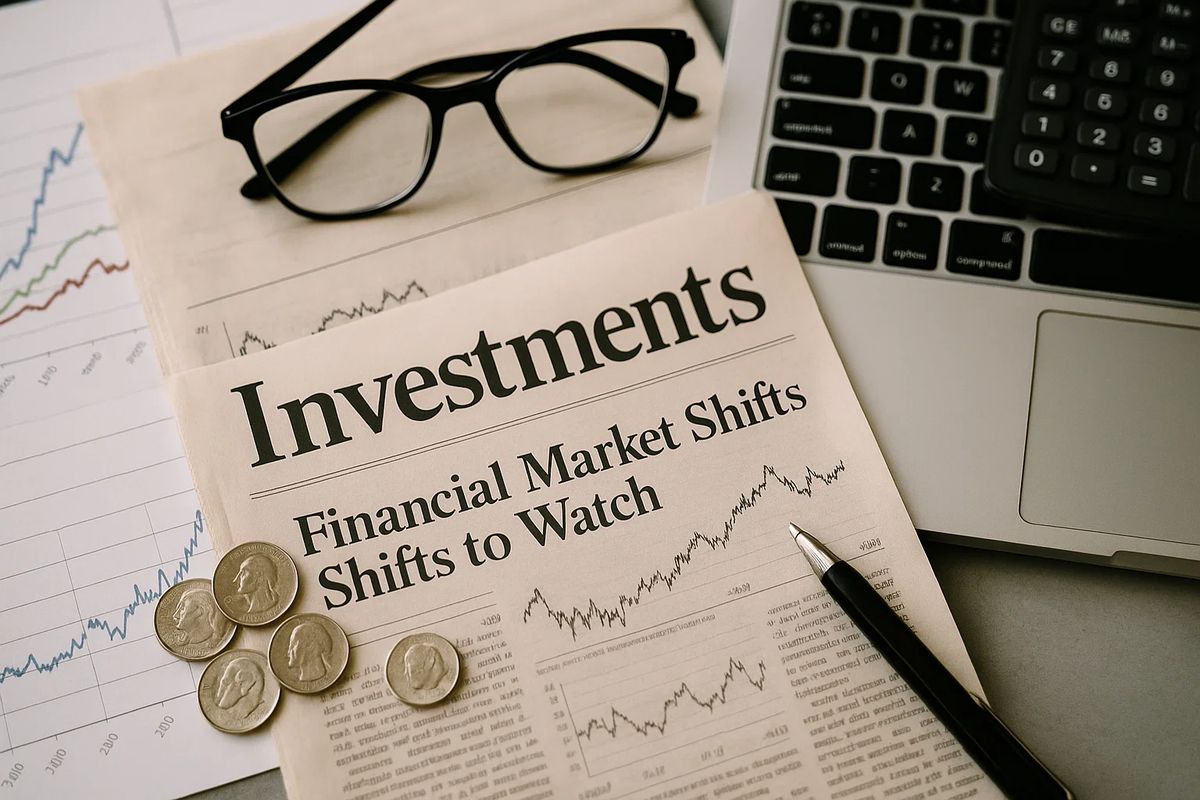
The growth of funded trading evaluation reflects a global shift from traditional retail trading toward capital-backed models. Traders increasingly seek access to larger capital without risking personal funds, structured evaluation systems that filter serious participants, and higher income potential compared to self-funded trading.
highlights that the prop trading industry has expanded rapidly worldwide, with firms offering large capital allocations, flexible rules, and high profit splits. This trend is clearly visible in Vietnam, where traders are moving toward funded models as a more scalable income approach.
At its core, funded trading evaluation matches modern trader psychology: low entry cost with high upside potential.
Legal risks traders should be aware of
Even though funded trading evaluation can be legal, it is not risk-free. The main concern lies in the credibility of the prop firm rather than the model itself.
Common risks include unclear rules, payout delays, lack of transparency, and poorly structured business operations. Some firms may create evaluation conditions that are difficult to pass or fail to honor profit payouts.
This is why transparency has become a defining factor in the industry. Newer models are integrating technologies such as blockchain verification and AI analytics to improve trust and operational clarity.
How to identify a legitimate funded trading evaluation platform

To participate safely, traders need to evaluate platforms carefully. Transparency in rules is the first signal. A credible firm will clearly define profit targets, drawdown limits, and evaluation conditions without hidden clauses.
Payout reliability is equally important. The most trustworthy platforms provide verifiable payout records, sometimes using blockchain technology to ensure transparency.
Trading conditions should reflect real market environments, including execution speed and spreads. Additionally, advanced support systems such as AI tools or coaching can significantly improve performance outcomes.
shows that modern prop trading ecosystems increasingly combine capital allocation with AI-driven support, helping traders improve consistency and long-term results.
The evolution of funded trading evaluation
Funded trading evaluation is no longer just about passing a challenge. It is evolving into a comprehensive ecosystem that combines capital, technology, and performance optimization.
Modern prop firms are introducing AI-based analysis, personalized coaching systems, flexible trading rules, and transparent payout mechanisms. These innovations address core trader challenges such as inconsistency, emotional decision-making, and lack of structured feedback.
As a result, funded trading evaluation is becoming a professional pathway, not just a short-term opportunity.
Why funded trading evaluation fits the “small capital, real profit” strategy
One of the biggest advantages of funded trading evaluation is that it aligns with the strategy of starting small while aiming for real income growth.
Instead of risking large personal capital, traders can enter with a relatively small fee, access significant funding, scale their accounts over time, and share profits without carrying full downside risk.
This transforms trading into a leveraged income model, where skill and discipline matter more than initial capital. It also connects naturally with broader financial goals such as personal finance management and diversified income strategies .