Blog
Blog  29-Nov-2025
.svg) 76,570
76,570 


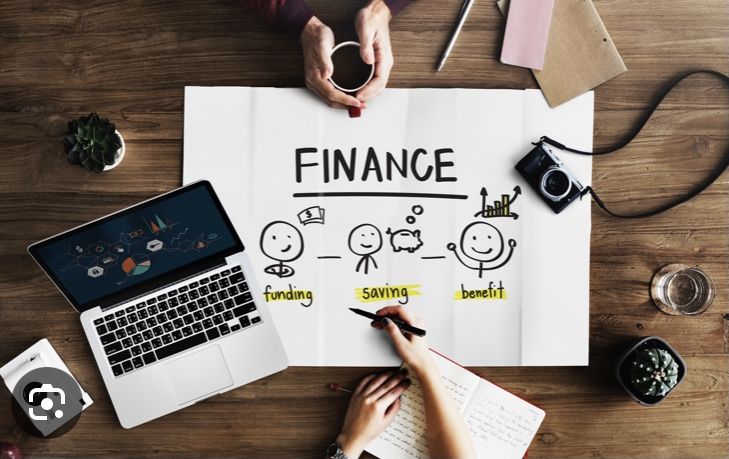
Personal expense management is increasingly becoming an essential skill in the context of rising living costs and growing financial pressure. Regardless of income level, managing personal spending always plays a decisive role in building stability, creating a foundation for long-term goals, and reducing unexpected financial risks in life. In reality, many people struggle not because they do not earn enough, but because they do not know where their money is “going”. Only when you have a clear expense management system can you truly take control of your financial life.
Modern financial psychology also shows that stress and pressure in life decrease significantly when a person knows how much they are spending, how much they are saving, and whether their future goals are on track. This is why personal expense management has become popular and widely applied, especially in a constantly fluctuating market. Smart spending is no longer an option, it has become a necessary requirement to ensure financial safety and growth.
This article will guide you through managing personal expenses with just three simple yet highly effective steps. When applied correctly, they help you gain better financial control, save more, and build a clear roadmap toward financial freedom.
1. Review your spending
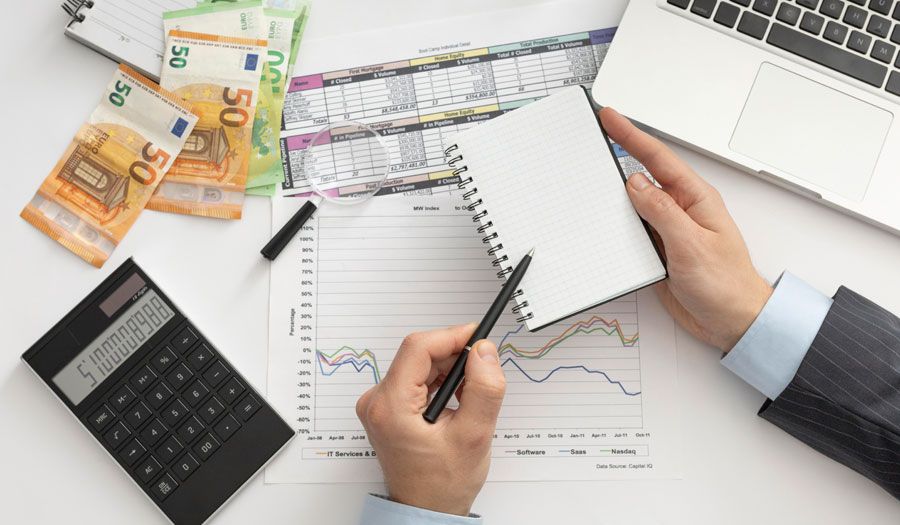
Reviewing your spending is the first and most important step in any personal expense management plan. If you do not know exactly how much you spend and on what, it will be difficult to cut back or optimize. This is why many people feel they “have no money left” even when their income is not low. Small expenses such as coffee, food delivery, app subscriptions, or emotional purchases often accumulate into a large amount without you noticing.
Spend at least 2–3 months tracking and recording all your income and expenses. You do not need to adjust anything right away, simply observe truthfully and completely to understand your spending behavior. This is extremely valuable data because it helps you identify unnecessary expenses, bad habits, or repeated costs that drain your budget.
Once you have the full picture, managing your personal spending becomes much easier. You’ll know which expenses to keep, which to adjust, and which to reduce. This becomes a solid foundation for the next stage: setting clear financial goals.
2. Set your goals
After understanding your spending habits, the next step in effective expense management is setting financial goals. Without goals, your saving efforts are easily disrupted by emotions or sudden expenses. In contrast, a clear goal gives you the reason to stay disciplined and make smarter spending decisions.
Divide your goals into three groups: short-term, mid-term, and long-term. Short-term goals may include saving for a trip, purchasing an essential item, or building an emergency fund. Mid-term goals may be buying a home, upgrading your vehicle, or accumulating investment capital. Long-term goals often revolve around major plans such as early retirement, starting a business, or ensuring your children’s education. Categorizing your goals makes it easier to prioritize and allocate your budget effectively.
More importantly, write down your goals on paper or save them in a note-taking app. Writing helps your brain retain the information more clearly and makes the goals feel real, not just fleeting thoughts. From there, you will know exactly how much to save each month and what milestones to achieve. This becomes the solid groundwork for building a structured spending plan.
3. Build your roadmap
Once your goals are set, the final step is creating a specific spending roadmap. One of the simplest and most effective expense management methods is the 50/30/20 rule. Whether your income is high or low, this method remains flexible and suitable for most people because it balances daily needs with long-term financial growth.
According to this rule, 50% of your income goes to essentials like food, housing, tuition, utilities, and transportation. These are difficult to cut, but they can still be optimized through smarter choices. Most people face financial difficulties because this category exceeds 50%, leaving them with too little for savings.
30% of your income goes to flexible spending such as shopping, entertainment, and social activities. This category impacts your personal expense management the most. Without good control, it is easy to overspend. These expenses should be monitored closely, especially if you have major saving goals.
The remaining 20% goes to savings, investments, or debt repayment. This group determines how fast you reach your financial goals. Regardless of your income, maintaining a 20% saving rate helps you build stable capital over time. You can divide this amount into different accounts to track and measure progress easily.
Some tips to optimize your personal expense management
During the expense management process, small habits can make a big difference in long-term results. One of the most important is controlling credit card usage. High limits and attractive offers can easily lead to overspending, causing debt pressure by the end of the month. If you must use a credit card, use it with discipline and always pay on time.
Bad debt is another issue to avoid at all costs. Once you fall into bad debt, you lose access to many essential financial services. To repay debt faster, you can sell unused items, find part-time work, or cut back on flexible expenses. Each small adjustment helps you get closer to stability.
In addition, a clear financial plan is crucial. Create a spending forecast table, monthly budget, and repayment timeline for each debt category. The more specific your plan, the higher your chance of success. And most importantly: stay patient. The results of personal expense management do not appear in a few days they are the outcome of long-term discipline.
Tools to help you manage spending more easily
In the digital age, expense management is no longer difficult thanks to modern tools that help you track and optimize spending daily. One of the most famous traditional methods is the Kakeibo journal, a Japanese bookkeeping practice. Kakeibo helps you observe the emotions behind your spending, understand the reasons for each purchase, and make more mindful saving decisions.
Meanwhile, Excel is also widely trusted for its high automation, easy calculations, and ability to generate charts. You can store data long-term, compare monthly results, and observe financial fluctuations visually. However, Excel depends on a device, which can be inconvenient when you need to jot something down quickly.
Today, mobile finance apps such as Money Lover, Spendee, and Mint are popular thanks to their convenience and smart analysis features. These apps can automatically categorize spending, send payment reminders, and generate visual reports that help you track your budget daily.
Two of the most popular tool options:
- Kakeibo journal for those who enjoy writing and reflection
- Finance apps for busy users who prefer automation
Managing personal spending is not difficult if you know where to begin. With just three steps reviewing expenses, setting goals, and building a suitable roadmap, you can take control of your finances and move toward a freer life. Start today, maintain the habit daily, and adjust flexibly according to your circumstances. With enough patience and discipline, you will soon see significant changes in both your finances and your lifestyle.