Blog
Blog  01-Dec-2025
.svg) 27,360
27,360 

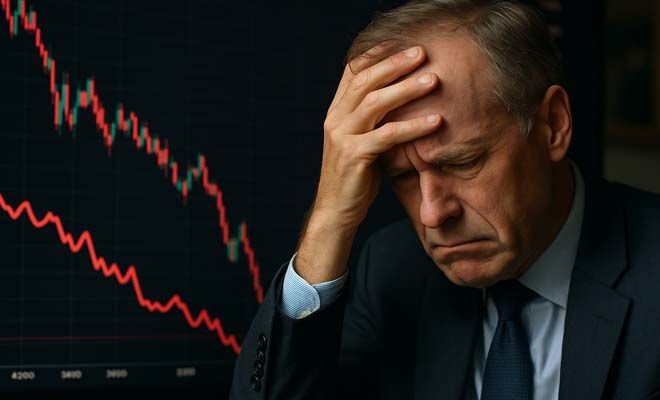
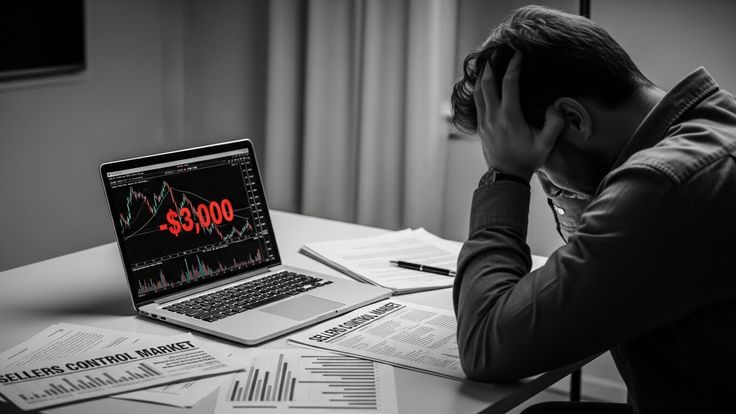
Emotional trading is one of the most dangerous traps in financial markets, yet it is also one of the easiest to fall into. Many traders spend years perfecting strategies, indicators, and systems, but only a few realize that the true battle is not against the market, it is against their own emotions. Emotional trading doesn’t happen because you lack knowledge; it happens because you are human. The market moves fast, money is on the line, and your brain reacts instantly with fear, excitement, hope, or disappointment. These emotions influence your decisions in subtle but powerful ways, often without you noticing, until your account balance tells the truth.
What Emotional Trading Really Means
Emotional trading occurs when decisions are driven by feelings rather than logic and analysis. It appears when a trader knows the rules but cannot follow them, when a setup is clear but fear stops them from executing, or when greed pushes them to increase position size far beyond their plan. Emotional trading is not about one mistake, it’s about a series of impulsive reactions that slowly take you further away from discipline and consistency.
Its danger lies in its invisibility. You rarely realize you are emotionally trading in the moment. Only after the trade closes, or after the account drops, do you look back and see that the decision was irrational. The emotional impulse was temporary, but the loss is real.
The Emotional Drivers Behind Bad Trading Decisions
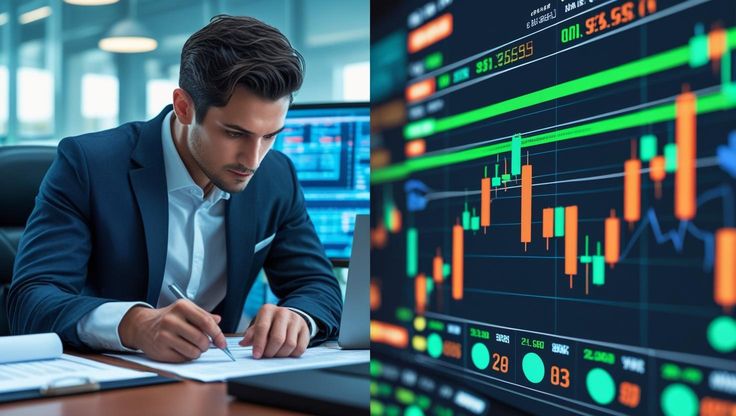
Every trader faces the same set of emotional triggers, regardless of experience level.
Fear shows up when price moves quickly against you, pushing you to exit too early or hesitate to enter a valid setup.
Greed shows up when you’re winning, convincing you to add more positions or hold longer than planned.
Regret pushes you into chasing missed opportunities and entering trades too late.
Hope traps you in losing positions because you convince yourself that the market will “come back.”
These emotions are universal, and they do not disappear with experience, you simply learn to recognize and manage them. The traders who survive long-term are not the ones who avoid emotions, but the ones who do not let emotions dictate their actions.
Why Emotional Trading Is So Destructive

Emotional trading damages more than your account balance, it destroys your consistency. A good strategy only works when it is executed the same way every time. Emotions interrupt this consistency. One day you risk 1%, the next day you risk 10%. One day you follow your plan perfectly, the next day you abandon it after two losing trades. Your results become random, unpredictable, and impossible to improve.
Emotional trading also creates a negative cycle. After you act impulsively and lose, you feel anger or regret, which leads to another impulsive decision. Before you realize it, you are trading to “fix the mistake,” then trading to “recover the loss,” and eventually trading just to feel better. This spiral is how accounts evaporate.
The Psychological Triggers Unique to the Forex Market
The foreign exchange market amplifies emotional trading more than most financial markets.
Forex moves fast, reacts instantly to economic news, and is often influenced by unexpected global events. Prices can reverse sharply within seconds, creating intense pressure on traders.
The availability of high leverage adds another psychological layer. A small movement in price can create a disproportionately large change in your account, causing emotional swings to escalate quickly. Fear becomes more intense. Greed becomes more tempting. Panic becomes more likely.
The community pressure is also high. Social media groups, signal channels, and online discussions create constant noise. Traders compare results, feel FOMO, or react to rumors, all of which push them into emotionally driven decisions.
The combination of speed, leverage, and social influence makes emotional trading far more dangerous in the forex environment.
How to Identify Emotional Trading in Yourself
One of the hardest steps in overcoming emotional trading is recognizing it. Some clear signs include:
If you feel urgency when clicking the buy or sell button, it’s emotional trading.
If you justify a trade with “I don’t want to miss this move,” it’s emotional trading.
If you move your stop-loss because you “believe it will turn around,” it’s emotional trading.
If you double your position size after a loss, it’s emotional trading.
If you keep trading even when you feel tired, frustrated, or angry, it’s emotional trading.
Awareness is the first level of control. You can’t fix what you can’t see.
Escaping the Emotional Trading Cycle
A trader cannot eliminate emotions, but they can train themselves not to react impulsively. There are several habits that dramatically reduce emotional trading:
Trade with small risk levels. When risk is low, emotions weaken. When risk is high, emotions explode.
Pause after winning streaks and losing streaks. Both situations distort your thinking.
Follow a pre-written plan. Decisions made before the trade are always more rational than decisions made during the trade.
Use a journal to track emotional behavior. Writing down your mindset helps you identify patterns.
Limit exposure to noise. Avoid signal groups, hype, and unnecessary opinions.
These steps do not eliminate emotional trading instantly, but they reduce its frequency and eventually change how you respond under pressure.
Emotional trading is not a flaw, it is a natural part of being human. But in the world of trading, emotional impulses come with a financial cost. The difference between an amateur and a professional trader is not the strategy they use, but how well they can manage their emotional responses with discipline and clarity. Markets are unpredictable, but your behavior does not have to be. When you learn to step back, breathe, and make decisions based on your plan instead of your feelings, you break free from the cycle of emotional trading and step into the path of long-term growth.