Blog
Blog  02-Dec-2025
.svg) 36,195
36,195 


Introduction
Fear is one of the most powerful forces shaping human decisions. It protects us, warns us, and keeps us alive. But when fear takes over the mind and becomes a default way of thinking, it turns into something far more damaging, a fear mindset. This mindset doesn’t simply cause hesitation; it restricts potential, blocks opportunities, and creates an invisible ceiling that stops people from reaching their full capability. Whether in life decisions, career choices, investments, or trading, fear-driven thinking leads to inaction, overthinking, and self-sabotage. Understanding the fear mindset is the first step toward breaking free from it.
What the Fear Mindset Really Means

A fear mindset is a mental state where fear becomes the primary lens through which you interpret situations and make decisions. Instead of analyzing possibilities, you anticipate worst-case scenarios. Instead of seeing potential growth, you focus on the potential pain. Fear becomes the “default reaction,” not an occasional emotion. People stuck in a fear mindset struggle to make bold choices, avoid risks even when they are calculated, and often depend on external reassurance before taking action.
This mindset forms gradually. It often begins with a negative experience, a failure, a loss, criticism, or rejection, which convinces the brain that avoiding discomfort is safer than pursuing progress. Over time, the brain learns to protect itself by choosing the safest option every time, even when the safest option leads to stagnation.
Signs You May Be Trapped in a Fear Mindset
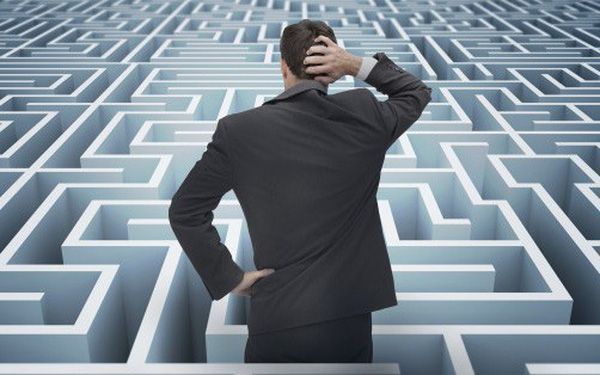
A fear mindset may not be obvious. It hides behind logical excuses, hesitation, and “rational caution.” But there are clear indicators:
You overthink simple decisions because you fear making the wrong one.
You avoid opportunities because they feel “too risky.”
You delay important actions, waiting for the “perfect moment.”
You imagine negative outcomes more vividly than positive ones.
You feel uncomfortable with uncertainty or lack of control.
You depend heavily on guarantees before moving forward.
A fear-based mind feels safe — but the safety is an illusion. It locks you inside a comfort zone that prevents growth.
How the Fear Mindset Affects Your Life
Fear limits your potential
When fear becomes dominant, you underestimate your capability. You stop pushing boundaries and lose the motivation to pursue ambitious goals. Opportunities pass by simply because the fear of failure is stronger than the desire to succeed.
Fear creates emotional paralysis
The fear mindset doesn’t just slow you down, it freezes you. It creates indecision, confusion, and mental exhaustion. This paralysis results in missed chances, delayed progress, and regret that compounds over time.
Fear destroys confidence
Each time fear dictates your choice, your subconscious remembers it. Over time, your brain learns:
“I cannot handle this.”
“I might fail.”
“I need to play safe.”
Confidence gradually erodes, leaving behind hesitation instead of strength.
Fear Mindset in Trading and Investing
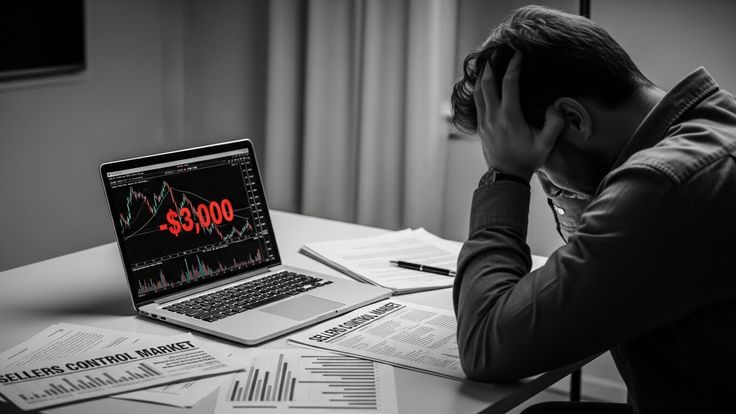
Fear affects everyone, but nowhere is it more damaging than in financial decision-making. In trading, a fear mindset can manifest in multiple ways:
You close winning trades too early because you’re afraid of losing profit.
You refuse to enter high-probability setups because of a previous loss.
You hold losing positions too long because you fear accepting the loss.
You avoid new opportunities because you don’t trust yourself anymore.
When fear drives trading decisions, the trader becomes reactive instead of strategic. They follow emotions instead of rules. The market becomes a threat, not an environment of opportunity. A fear mindset turns trading from a skill-based activity into an emotional struggle.
Where the Fear Mindset Comes From
Past failures often leave a powerful emotional imprint that the brain works hard to avoid repeating. A painful loss can make fear feel like protection, but that same fear quickly turns into a cage that limits your ability to move forward. Instead of guiding you, it traps you inside the memory of what went wrong.
Uncertainty and lack of control also play a major role in shaping fear. Humans are naturally wired to avoid the unknown, and yet markets, business, relationships, and personal growth are full of uncertainty. Fear becomes a natural reaction when we cannot predict outcomes, even if the unknown carries potential for progress.
Low self-belief magnifies this fear even further. When you doubt your own abilities, risks appear larger and more threatening than they actually are. Instead of seeing possibilities, you zero in on everything that could go wrong, making hesitation feel safer than action.
Environmental influence can reinforce and deepen the fear mindset. Constant exposure to negative comments, discouraging voices, or people who always expect the worst makes it harder to think clearly. Over time, their fears become your fears, shaping your decisions without you realizing it.
How to Break Free from a Fear Mindset
A fear mindset is powerful — not because fear is strong, but because it shapes behavior quietly and consistently. It affects your choices, your confidence, and your ability to take meaningful risks. But like any mental pattern, it can be changed. When you learn to recognize fear instead of obeying it, you shift from a reactive life to a purposeful one. Whether you’re pursuing personal growth, a career breakthrough, or trading the markets, overcoming the fear mindset allows you to approach challenges with clarity, discipline, and strength.